

The Retreat, Jones Estate - photographed in 1922
Our Story
A House With a Long Memory
The Retreat is a 170-year-old estate bungalow, standing on a forested hill between Bhimtal and Sat Tal. It was built in the mid-19th century as part of the Bhimtal Tea Estate established by the East India Company, which later became Jones Estate.
In the mid-20th century, the house became home to Fred Smetacek Sr. and his wife, Shaheda. Having escaped Europe in 1939, Fred made India his home and eventually settled in Kumaon. Life here was shaped by writing, long walks, studying butterflies and moths, conservation work, and a deep engagement with the land.
The forests around the estate were gradually restored from former tea terraces, becoming an important watershed for Bhimtal and Sat Tal. Much of this work was quiet and practical, guided by a belief in letting the land recover at its own pace.
A Quiet Chapter in Kumaon

Today, the house remains much as it was. The verandahs, rooms, furniture, books and pictures have been kept in place, allowing the house to age naturally rather than be reinvented. Days still follow the rhythms of light, weather and season.
Padmini Smetacek, known to most as Paddy, now looks after the house and estate. A writer and editor, she continues the long-standing pattern of life here - attentive to detail, deeply familiar with the land, and closely involved in the daily running of the house.
%20Smetacek.jpg)
Paddy (Padmini)
The House Today
Meet Our Furry Friends •ﻌ•
The Retreat is also home to six rescued dogs, who are very much part of everyday life here. Friendly with people and used to guests, they can often be found lounging in the sun, accompanying walks, or keeping watch over the grounds.

Bo

Hoshi

Poopa
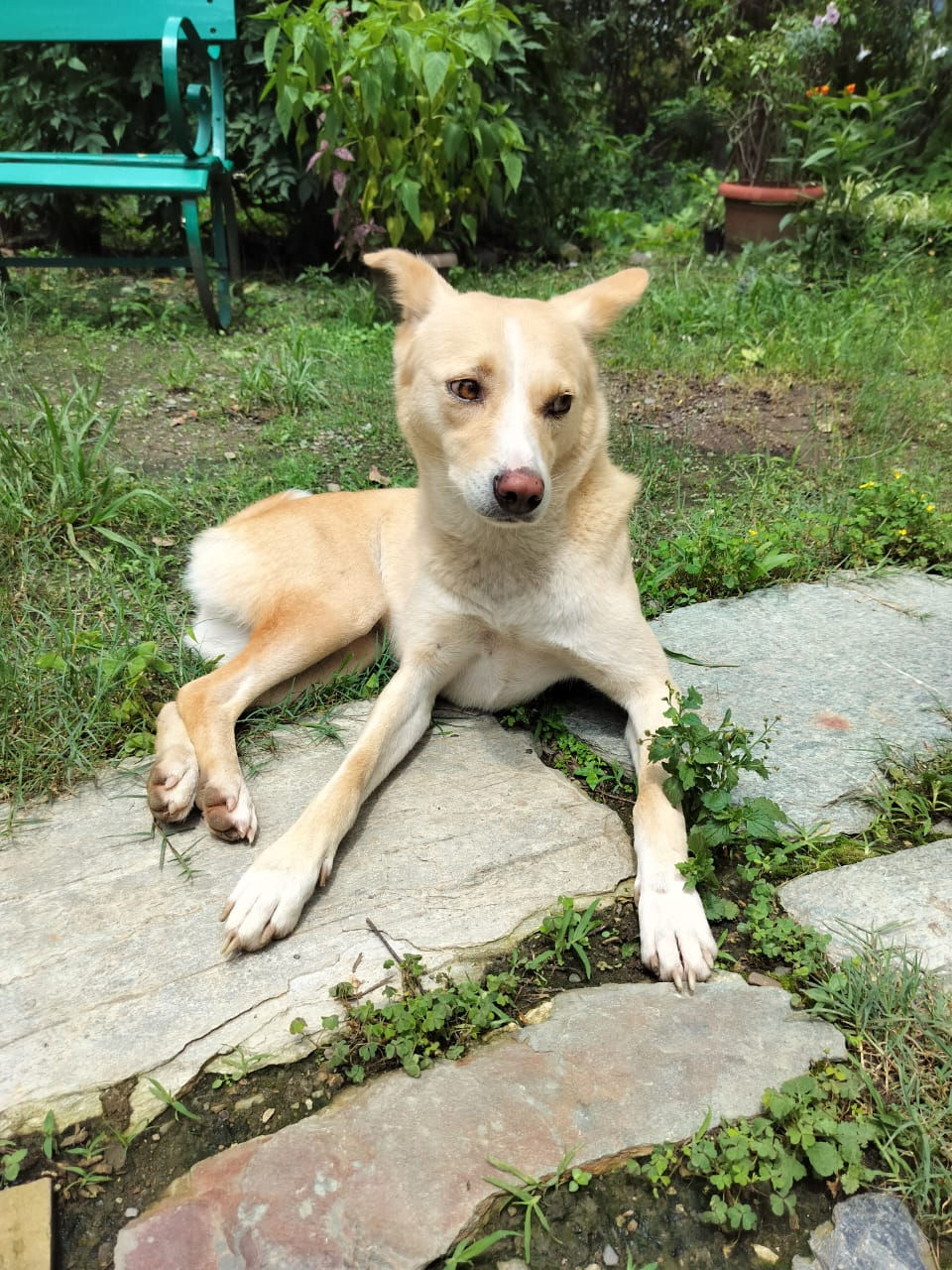
Bimble

Pip

TessIE
